Table Of Content
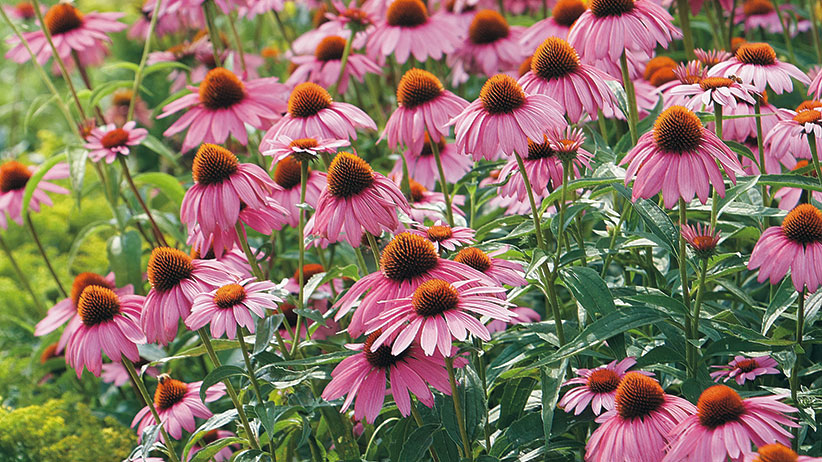
Participants are expected to keep up with the weekly assignments and activities as they purposely build on and refer to previous lessons. Assigned lessons with readings and exercises are required, with participation in online discussions, hands-on activities, and submission of design work and reflective journals. Most students spend approximately hours each week with the content, however more time may be needed to explore additional resources added each week. Despite how hardy they are, there are a few common issues you'll run into when growing and caring for coneflower. If you're looking to bring cheerful texture and helpful critters to your garden, coneflower is a must-plant perennial. Combine coneflower alongside other plants with similar cultural needs of full sun and good drainage.
Create Privacy in Your Yard
How to Grow Echinacea - Growing Coneflowers - Good Housekeeping
How to Grow Echinacea - Growing Coneflowers.
Posted: Tue, 29 May 2018 07:00:00 GMT [source]
Moreover, Sedum’s vibrant and showy flowers add a pop of color to the garden, complementing the Coneflowers’ blooms. Another great benefit of planting Sedum alongside Coneflowers is that it attracts pollinators, particularly bees. To start a specific coneflower variety from seed, either collect seeds from a species (not a cutivar or hybrid), or purchase seeds from a nursery.
Sharon Shutler: Low-maintenance landscape
A serious disease that affects coneflower and other plants in the aster family is aster yellows, a plant virus carried by thrips. These pesky little bugs feed on pollen, as well as plant juices, by scraping the plant tissue and drinking the sap. As these bugs fly around and feed, they transmit the virus from plant to plant. Symptoms will be visible on new buds and open flowers that will show erratic, contorted growth. If you see this on your plant, there is no cure except to dig up the plant and properly dispose of it before the disease is transmitted to any other plants.
Green Jewel (Echinacea purpurea 'Green Jewel')
To get the most blooms (and the sturdiest plants), plant your purple coneflowers in a spot that gets at least six to eight hours of full sunlight each day. The plants will tolerate partial shade, but may eventually flop over, and the blooms won't be as prolific. Hardy in a wide range of climates, coneflowers are perennials in USDA growing zones 3 to 10. Plant them in a sunny spot and deadhead them throughout the growing season to encourage successive waves of blooms. To see more ideas about how to use coneflowers in a landscape, see 10 Ideas to Steal from Prairie-Style Gardens.
Shopper’s Diary: Peonies in Paris, for Flowers and Coffee
But the plant will establish healthier roots if it’s not putting energy into flowers the first year. Plants in quart- or gallon-size containers won’t need this if their root systems have had a chance to grow to fill the pot. But if you’re working with plants in small, 4- or 6-in.-wide pots, it’s best to either pinch the blooms off or cut the entire bloom stalk back, as in the photo at above. All coneflowers can become dense and root-bound over time, causing blooms to become sparse.
There’s a coneflower for every garden, including bright single flowers and double blossoms, and colors from orange and yellow to red and deep pink. Coneflowers bloom from summer to fall and they shine in a variety of garden settings. To care for your coneflowers, you can remove spent blooms to encourage a second round of blooms. In the fall, you have the option to cut back the plants or leave the seed heads on for winter interest and as a food source for birds. Overall, they are low-maintenance perennials that add color and beauty to any garden setting. Native to eastern North America, they are hardy, drought-tolerant, long-blooming, and cultivated in an ever-widening range of colors.

The process will also help prevent an overabundance of self-seeding from the plant. As a native prairie plant, purple coneflower thrives in hot, dry climates but can handle a range of temperature and humidity fluctuations. However, they do not do as well in very humid climates, or in rainy areas where the soil stays wet. Coneflowers benefit from division every 3 to 4 years to rejuvenate the plant and maintain healthy growth. The best time to divide them is in early spring or early fall. To divide, dig up the plant, separate the root clumps, and replant them with proper spacing in well-prepared soil.

White Swan (Echinacea purpurea 'White Swan')
Take a look at our tips below to get the most out of your coneflowers. To ensure healthy cone flower plants, make sure they are planted in average, well-drained soil. By following these care tips and providing adequate water, your coneflowers will reward you with beautiful blooms throughout the growing season.
Understanding Soilless Potting Mix and Its Application in Gardening
Other pollinators, such as honeybees and hummingbirds will visit Echinacea too. A well-thought-out garden layout enhances the visual impact of your coneflower garden. Begin by planning the arrangement of your coneflowers, taking into account factors such as height, color, and blooming seasons.
By incorporating these companion plants into your garden design, you can create a dynamic and eye-catching display. The combination of coneflowers with lambs-ears and globe thistle creates an interesting visual texture while also attracting butterflies and bees. Lambs-ears, globe thistle, and other companion plants provide a vibrant and visually interesting backdrop for your coneflowers.
Some of the newest varieties are hybrid crosses between two different coneflower species. With these makeovers, Echinacea has morphed into a rock star in the garden. With the addition of so many new Echinacea forms, it is possible to design an entire landscape centered on this flower.
"With voles, mix pea gravel, such as PermaTil, into the hole to prevent them from eating the roots." Never miss a fabulous garden or ideas on how to design your own. Space plants 1 to 3 feet apart, depending on the mature size of the variety. Large flowers that are 4 to 5 inches across have a rose-like fragrance. Part of the Big Sky series developed by Richard Saul of Itsaul Plants.
Place taller varieties towards the back to create a layered effect, allowing each flower to shine. Intersperse with lower-growing varieties for a balanced and harmonious composition. When designing your coneflower garden, don’t be afraid to mix different flower forms and colors for added visual interest. Create a pollinator-friendly space by incorporating them into your landscape design. Additionally, consider the height and spread of different varieties to ensure a balanced planting arrangement.
Plant them in an area that receives full sun and has good drainage. Some varieties will start flowering earlier, while others may produce flowers into fall. Learn more, along with timely planting advice, garden design inspiration, tips and more in our weekly newsletter. Part of the Dream series from Terra Nova Nurseries in 2009, this coneflower holds its color for an exceptionally long time. Others in the series are ‘Glowing Dream’ (watermelon-coral), ‘Amazing Dream’ (deep-pink) and midsize ‘Daydream’ (yellow). Maintaining a thriving coneflower garden involves vigilance against common pests and diseases.
If you want to enjoy butterflies and songbirds in your garden plant coneflowers. For weeks, even months, during the summer and fall the blooms and seed heads will attract a multitude of winged beauties. Each composite flower (actually a compact arrangement of ray and disk flowers) offers up a fully loaded buffet table for butterflies.
Participants learn how right plant right place principles provide the foundation for a healthy and attractive garden design. Although the plant can tolerate some shade, coneflower should generally be planted in an area that receives at least 6 hours of full sunlight a day. The hardy plant is easy to maintain, but you'll need to ensure you're fulfilling its basic care requirements in order to have healthy blooms that return each spring.




No comments:
Post a Comment