Table Of Content
- Be sure to mulch in winter
- The Garden Decoder: What Is 'Aster Yellows'? (And How Do You Stop It?)
- Aster yellows
- Greenline (Echinacea purpurea 'Greenline')
- Optimal Soil Conditions
- Urban Gardens: Florist Sarah Nixon Grows Her Flowers in the Neighbors' Yards
- What services does Paradise Gardens Landscape Design Inc provide?

Prevent it by giving plants good air circulation and not watering overhead (if you need to water). Choose plants with multiple growing points, not just one cluster of leaves. Echinacea purpurea ‘Magnus’ is known for its magenta-pink color and robust blooms. It blooms from summer to fall, and it’s one of the most famous gardener’s choices.
Be sure to mulch in winter
Coneflowers grow best in a garden that boasts a neutral soil pH of about 6.5 to 7.0. They can thrive in a variety of soil types, including sandy, rocky, and clay soils. For best results, add a bit of compost to your mixture when planting to give your coneflowers successful a good start. Summersong™ Firefinch™ (Echinacea hybrid) has variable flowers ranging from reddish-orange to pinkish-red for a captivating effect in the landscape.
The Garden Decoder: What Is 'Aster Yellows'? (And How Do You Stop It?)
Use this shorter variety in small spaces, as edging, in the front of a mixed border, mass plantings, or containers. Well, the plant breeding that created those vibrant colors included a species that’s a little pickier about its growing conditions than purple coneflower, the one most of us grow. But for the most success, try these tips from Dan Heims, president of Terra Nova® Nurseries, Inc., a company that’s developed some of these bright new flowers. Those gorgeous yellow, orange and red coneflowers certainly are standouts in the garden! But gardeners may be disappointed if they expect them to bloom year after year without a care in the world like the old-fashioned purple coneflowers. Especially towards the end of the summer, or in humid weather, coneflowers are prone to get powdery mildew, which is unsightly but won’t kill the plant.
Aster yellows
Keep it watered for at least one week, until the plant is established. You should water your flowers about once a week, giving them approximately an inch of water. To prevent powdery mildew on your flowers, ensure they have good air circulation and are planted in a sunny location.
Find plants you love and create idea boards for all your projects. Ideas to update and improve your outdoor space with hardscaping elements. Here are some supplies and tools we find essential in our everyday work in the garden. We may receive a commission from sales referred by our links; however, we have carefully selected these products for their usefulness and quality.
Optimal Soil Conditions
5 rain garden ideas for your stormwater runoff - Reviewed
5 rain garden ideas for your stormwater runoff.
Posted: Fri, 17 Jun 2022 07:00:00 GMT [source]
Russian Sage (Perovskia atriplicifolia) stands out with its tall, misty spires of lavender-blue blooms and contrasting silvery leaves, offering a dreamy, wispy allure. When planted alongside Coneflowers, there’s a delightful interplay of textures and colors. The robust, daisy-like petals of Coneflowers beautifully juxtapose the subtle and feathery presence of Russian Sage. This pairing, besides being a visual treat, is also ecologically beneficial, beckoning a variety of pollinators to the garden, thus enhancing its vibrancy and ecological richness.
Go Lawn Free: Plant a Prairie Garden - Birds & Blooms
Go Lawn Free: Plant a Prairie Garden.
Posted: Tue, 11 Jul 2023 07:00:00 GMT [source]
After the last frost has passed sow coneflower seeds in open, well-exposed ground, placing them about 1/4 inch deep in soil. "For earlier blooms, you can even start them indoors about six to eight weeks before the last frost of the season," says Rebecca Sears, chief gardening expert at Ferry-Morse. "Once the plants reach 2 inches in height, they can then be transplanted outside." Sedum, also known as Stonecrop, serves as an excellent companion plant for Coneflowers. With its low-growing and succulent foliage, Sedum creates a beautiful contrast to the tall and upright growth of Coneflowers.
What services does Paradise Gardens Landscape Design Inc provide?
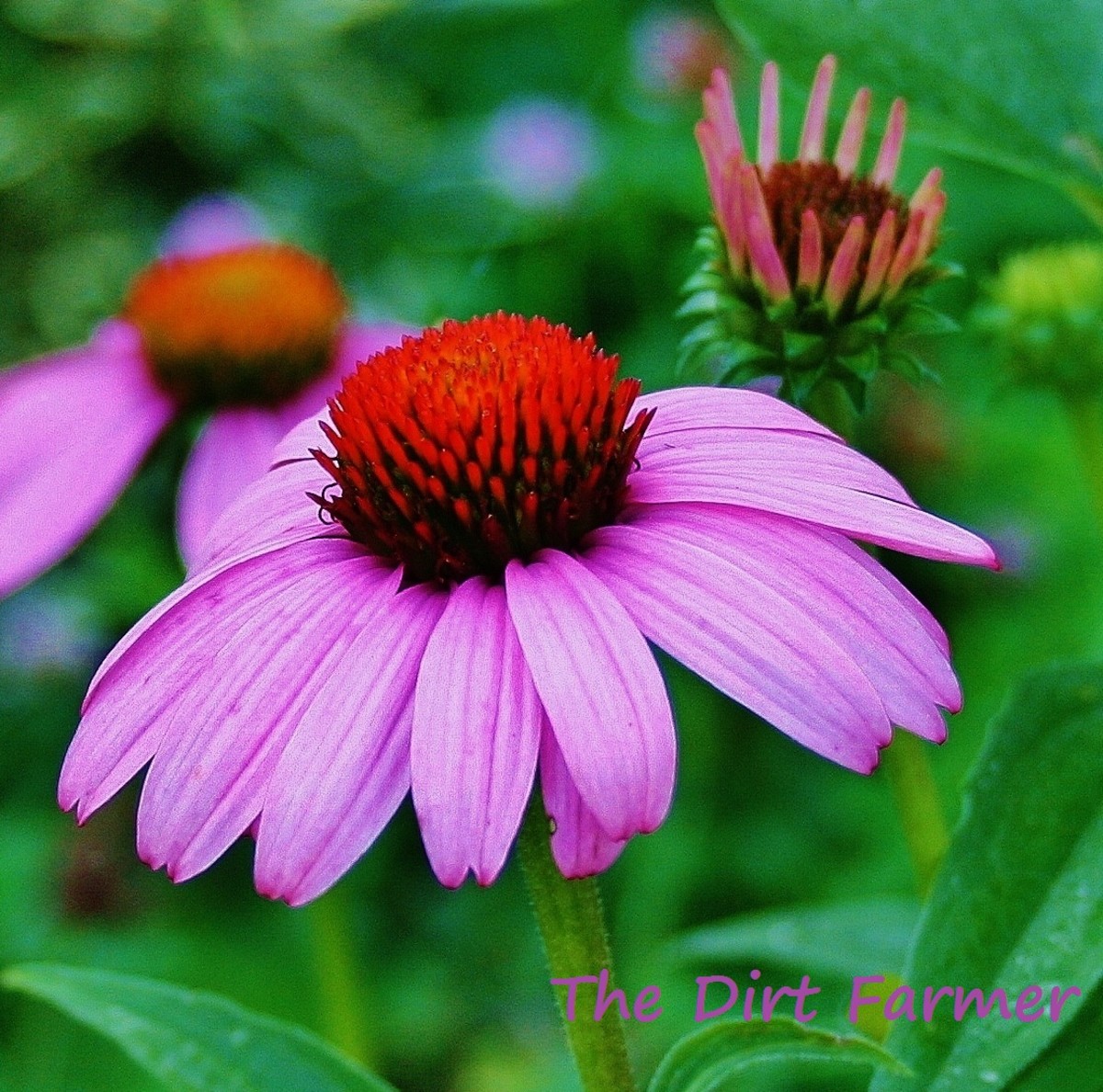
Hardy in USDA zones 3-9, this herbaceous perennial blooms later in the season, from summer into fall. Echinacea plant makes a great addition to mixed borders, beds, cutting gardens, mass plantings, rock gardens and native landscapes. When it comes to the old-fashioned pink-purple or white coneflower, there isn’t an easier plant to grow. As long as you put the plant in the ground right side up, it should be fine!
Find Landscape Architects & Designers to Help Get the Job Done
Start by preparing the soil by loosening it to a depth of 12 inches and adding compost for nutrient-rich conditions. Space the plants about one to three feet apart, depending on their mature size. This allows enough room for the grasses or other companion plants you may want to include in your garden design ideas. Echinacea is known for its medicinal properties as well as ornamental value in the landscape.
Planting coneflowers in clusters or drifts will also attract butterflies to your garden. To get the best results from your coneflowers, you should add a bit of fertilizer during later winter or early spring. "I like to top dress the soil around the plant with a good two inches of compost," says Christina Matthews, urban flower farmer-florist and owner of The Flower Lady. "I find that in my gardens the compost is all they need in order for the plant to provide me with an endless amount of summer blooms."
Selecting the perfect coneflower varieties is crucial for a successful garden. Echinacea purpurea is a popular choice, known for its striking purple blooms and medicinal properties. Echinacea paradoxa, with its unique yellow petals, adds a touch of diversity to your garden. Consider incorporating a mix of varieties to create a visually appealing and dynamic landscape. To create a vibrant garden alongside coneflowers, consider planting them with other perennials like yarrow, rudbeckia, and ornamental grasses. This combination will add visual interest and attract pollinators to your garden.
Pests like powdery mildew can be a nuisance, especially in humid weather or towards the end of summer. Another serious disease to watch out for is aster yellows, which affects not only coneflowers but other plants in the aster family as well. It is caused by a plant virus carried by thrips, and infected plants should be removed to prevent transmission. In addition to these companion plants, consider including other perennials or grasses in your garden to further enhance its appeal. By mixing different flower forms and colors, you can create a diverse and visually appealing landscape. The easiest method is to sow them outdoors in the fall, either in the ground or winter sowing them in milk jugs.
The seeds need darkness to germinate, so plant them about half an inch deep and cover them with soil. Place the seeds under grow lights that are about an inch or two above the plant once the seedlings emerge. Color Coded® ‘Frankly Scarlet’ (Echinacea hybrid) is a taller variety with large vibrant scarlet-orange flowers on well-branching plants.
We have our heads in the clouds but our feet are firmly planted in the ground. It inspires us to not only use design to improve the world but to truly change it. This design course has given me validation that it is okay to trust your soul and give authentic voice to your garden space. It is important that you work through each lesson assigned for a particular week.
A circlet of short pink petals is topped with a puff of darker pink, reminiscent of anemone dahlias. According to Plant Delights Nursery, a chance seedling of ‘Magnus’ popped up in the growing fields of Dutch breeder Jan van Winsen in 1997. With large fragrant flowers that are 4 to 5 inches across, ‘Green Jewel’ grows to form a compact clump. However, if deer are hungry enough, they will eat almost anything. Other animals that may take a taste include rabbits, squirrels and woodchucks.




No comments:
Post a Comment