Table Of Content
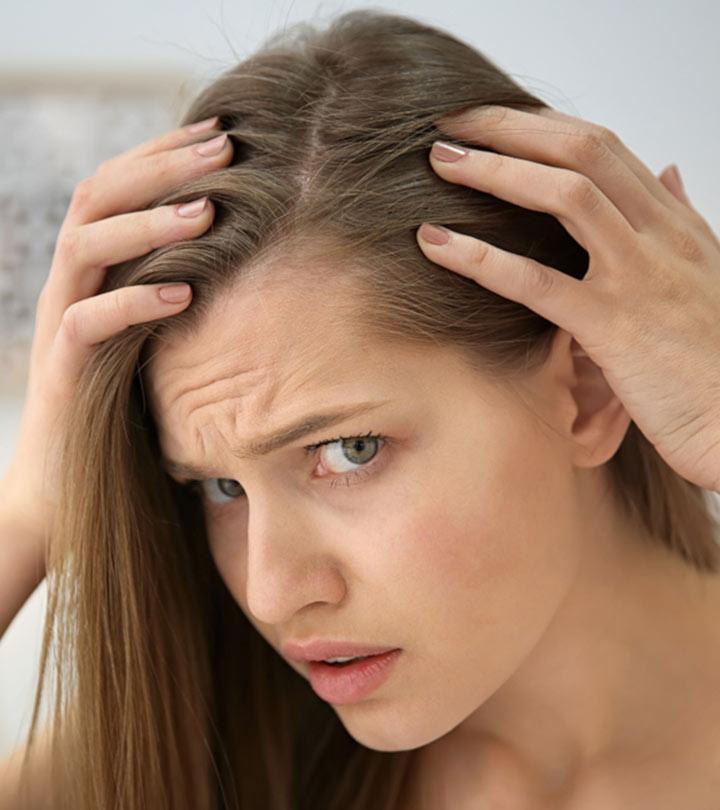
At 29, 12% of women start showing signs, but by 79, over half show symptoms. Traction alopecia is a type of hair loss that's brought on by the way you style your hair. Hairstyles like cornrows, braids, or tight ponytails can cause it.
Male-pattern baldness
While you may have heard of the negative effects of smoking throughout the entire body (including your skin), smoking has also been linked to hair loss. When applied directly to the scalp twice a day, minoxidil may gradually thicken hair in balding spots. The product is available in either liquid or foam, depending on your preference.
Hormones
If you have alopecia, you can help hold onto your tresses by avoiding behaviors that are known to contribute to temporary and permanent hair loss, Mirmirani says. Dozens of over-the-counter supplements and products purport to reverse hair loss, making it tough for patients to know which ones work and which don’t. Advanced treatments are available for more serious hair loss. In addition, too much vitamin A and certain medications can also cause telogen effluvium.
6 Dermatologist-Approved Ways To Outsmart Thinning Hair. . . Naturally - Yahoo Life
6 Dermatologist-Approved Ways To Outsmart Thinning Hair. . . Naturally.
Posted: Wed, 02 Aug 2023 07:00:00 GMT [source]
Can You Stop Hair Loss Once It Begins?
You can change how you care for your hair, which can prevent hair loss. Once you damage a hair follicle, hair cannot grow from that follicle. Having many damaged hair follicles creates permanent bald spots. Alopecia areata is a non-scarring type of hair loss, and the hair follicles remain alive, which means the hair can regrow. Doctors may treat alopecia areata with an injection into the scalp every 4–6 weeks for up to 6 months. When you start to shed more strands — and fewer or none grow back — the condition is considered alopecia (hair loss).
Depending on the underlying cause of hair loss, this condition may or may not be reversible. Some medicines can prevent hair loss or spur growth, making proper diagnosis critical. Most hair loss in men is caused by androgenetic alopecia or male pattern hair loss. This type is genetic—passed from parent to child—and progresses gradually.
Try essential oils
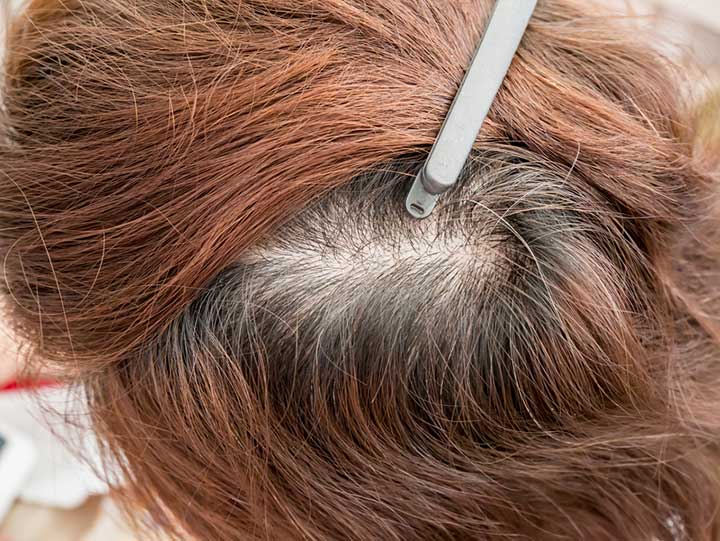
Some treatments and home remedies can help improve the hair’s strength and overall health. Hair growth may take 6–12 months to improve, but if a person stops using the treatment, hair loss will recur. The risk of the condition increases with age, but alopecia areata appears on average in people aged 25–36 years. Genetic factors may play a role, and there are links with other autoimmune conditions, such as systemic lupus erythematosus, or lupus. Treatment can often help manage hair loss that occurs with aging by boosting hair health, thickness, and strength. Hair that falls out due to a health condition often regrows in time.
What are the main causes of hair loss?
Having a deficiency in these vitamins may affect your hair growth. Most people can get the amounts of these vitamins they need by following a balanced diet, but in some cases, a doctor may recommend dietary supplements. Thinning hair can grow back depending on what caused it to thin in the first place. People who experience thinning hair due to nutrient deficiencies, stress, pregnancy, and other nongenetic reasons could experience regrowth. Although it’s common to lose hair throughout the day, it’s a good idea to speak with your doctor if you’re losing more than 100 hairs per day. Researchers believe that cortisol, a stress hormone released by your adrenal glands, may disrupt your hair growth cycle.
You'll reap the biggest benefits by starting treatments sooner rather than later, but be patient. It can take several months of regular use to notice a change, per the Mayo Clinic. If you're considering a supplement, look for one specifically targeted toward addressing hair loss. "I personally recommend Nutrafol to all of my patients," Dr. Hsu says.
It typically affects the hairline, temples, or top of the head. Linked to the activity of the androgen receptor (AR) gene, up to 50% of male adults experience some form of this by age 50. Losing hair follicles is a normal part of the hair growth cycle. In their final, full-grown phase—the telogen phase—hair follicles stay dormant for up to three months, falling off when new hair starts to grow.
Menopause, when the menstrual cycle stops, causes changes in estrogen and testosterone—hormones involved in regulating the hair cycle. Typically setting on when women are between 45 and 55, these fluctuations can trigger female pattern hair loss. The most common cause of male and female hair loss is androgenetic alopecia, or hereditary pattern balding.
If you decide to style your hair with heated tools, only do so when your hair is dry and use the lowest settings possible. Traction alopecia results from too much pressure and tension on the hair, often from wearing it in tight styles, like braids, ponytails, or buns. A scalp infeciton can lead to scaly and sometimes inflamed areas on your scalp. You can search by location, condition, and procedure to find the dermatologist that’s right for you.
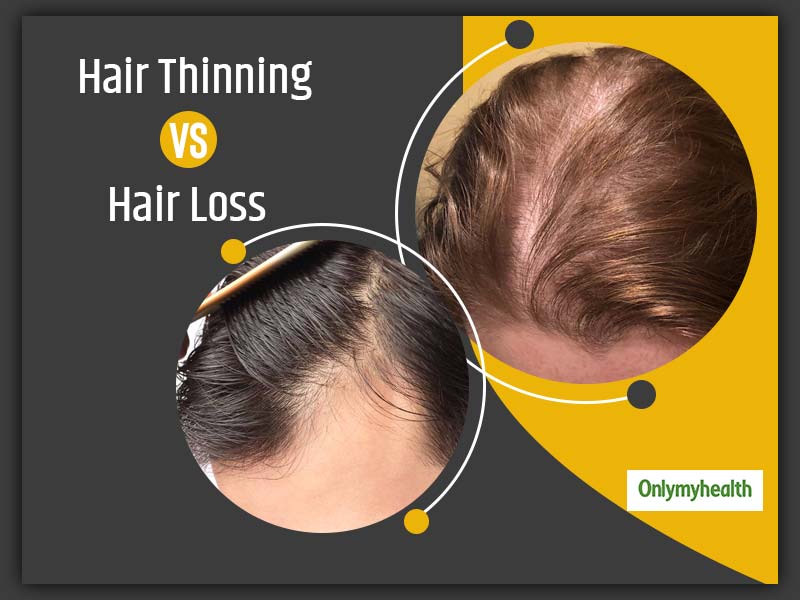
Anyone with concerns about hair loss or who has sudden, unexpected hair loss should consult a healthcare professional. The doctor may send hair or scalp samples to a laboratory for further testing. They may also order blood tests to rule out an underlying condition. Performing a gentle scalp massage using essential oils could provide extra benefits.
"Post-COVID hair loss is very similar to someone experiencing hair loss while in a stressed state or having had psychological trauma." "When the mind or body is stressed, levels of the hormone cortisol increase, which begins to negatively affect our skin and hair," Dr. Hsu says. "When levels of the hormones estrogen and progesterone decrease, levels of androgen hormones will increase relatively," explains Dr. Hsu. You might notice the changes earlier in life, too, because hereditary hair loss can start in your teens or 20s.




No comments:
Post a Comment